
Why Do We Choose Familiarity Over Higher Odds?
Betting is both a psychological phenomenon and a financial risk. One curious habit in betting is the tendency to back favorites—whether a team, a player, or a horse. People do this even though favorites often have low odds and small payouts on platforms such as TonyBet. This goes against the logic of maximizing profit. It suggests deeper psychological forces are at work. Below are four key psychological reasons behind this behavior.
1. The Comfort of Familiarity
People are beings of routine. They frequently prefer the familiar instead of the unfamiliar. In betting, this manifests as a tendency to favor favorites—teams, players, or entities known for their solid performance history. Cognitive biases such as the mere exposure effect have an influence. The greater our exposure to something (such as a well-known athlete or team), the more likely we are to support it.
For instance, supporters of Novak Djokovic or Serena Williams might wager on them even when facing challenging rivals. Acquaintance fosters a feeling of security. It diminishes the perception of danger, even when the probabilities don’t justify this idea.
2. Emotional Connection and Commitment

Emotions heavily influence decision-making, especially in betting. Many bettors feel a deep emotional connection to their favorite teams or players. This connection often comes from years of admiration or fandom. As a result, they feel compelled to support their favorites, even when logic suggests otherwise.
This ties to a concept called affective forecasting, where people predict their future emotions. Betting on favorites gives a sense of participation and shared victory. It makes their favorite’s success feel even sweeter. On the other hand, betting against them can feel like betrayal or guilt, which strengthens loyalty-driven bets.
3. Please provide the text you would like me to paraphrase
Fans of a favorite player or team often show overconfidence. They believe they can predict outcomes better than they actually can. This is often paired with confirmation bias. People focus on information that supports what they already believe and ignore anything that contradicts it.
For example, a fan betting on a successful football team might overlook recent injuries or poor performance. Instead, they focus on the team’s past victories. This distorted view strengthens their belief that the favorite will win, even when the odds say otherwise.
4. Perceived Certainty and Risk Aversion
Wagering on favorites typically stems from a desire for assurance and a limited acceptance of risk. Favorites are regarded as “reliable options” with an increased likelihood of success, even if the profits are modest. This relates to prospect theory, demonstrating that individuals tend to evade risk when potential losses are present.
The theory clarifies why gamblers prefer a safer, smaller win instead of a more uncertain wager with higher payouts. For casual gamblers, gaining something—regardless of how little—seems better than losing it all. This cautious mindset maintains the popularity of favorites, despite low odds providing minimal value.
The Bigger Picture: Betting as an Emotional Experience
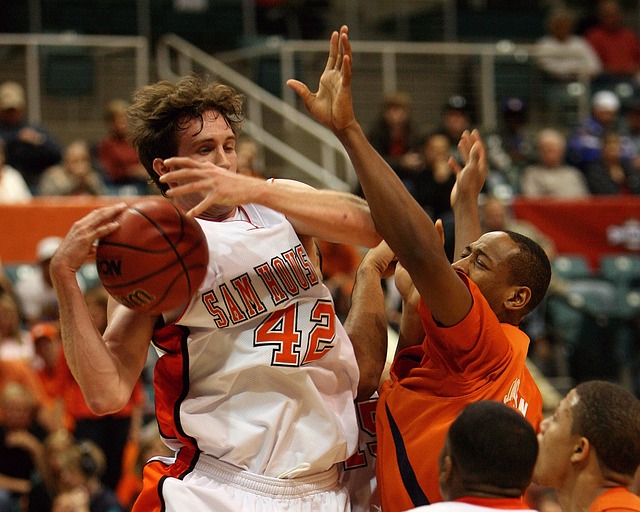
For numerous gamblers, monetary profit is significant, but wagering is also connected to feelings, self-concept, and social interactions. Backing cherished ones evokes emotions of nostalgia, pride, and a sense of belonging. These feelings frequently overshadow logical reasoning. Wagering on favorites allows individuals to connect their selections with their beliefs or allegiances, fostering a feeling of genuineness and fulfillment.
External influences such as the media and societal views contribute to this impact. Well-known athletes and teams attract greater attention, strengthening their position as favorites. This maintains the ongoing cycle of wagering on known elements and assumed certainty.
Favorites
Wagering on favored teams may appear irrational from a financial standpoint, yet it holds psychological validity. Familiarity, emotional connection, overconfidence, and aversion to risk all contribute. These elements clarify why this conduct is so prevalent.
Comprehending these factors enables bettors to make improved choices. They can harmonize emotional fulfillment with tactical reasoning. Although wagering on favorites might not yield the highest payouts, it highlights the intricacies of human choices and the power of allegiance.